

As we navigate adulthood (and work our way towards “middle age”), life tends to get busier and more demanding. Between careers, kids, and everything in between, it can feel like there’s little time left for ourselves, especially when it comes to nutrition. Many of my clients tell me, “I know what to do, I just have a hard time being consistent.” And I get it—when life throws so many demands our way, staying on top of healthy eating habits can easily fall to the bottom of the list.
But here’s the thing: in this phase of life, it’s more important than ever to get a handle on your nutrition. Not only to maintain your energy and keep up with your daily responsibilities but to support your body as it ages. This isn’t just about looking good—it’s about feeling strong, moving well, and ensuring that you can continue to do the things you love for years to come.
Let’s break down some of the common challenges and why it’s worth making your nutrition a priority.
1. Busy Schedules and Prioritizing Nutrition
Balancing work, family, and personal time often means nutrition gets put on the back burner. You might know what you “should” be doing—eating more vegetables, limiting processed foods, drinking enough water—but finding the time and energy to do it is another story.
What I often see is that people rely on convenience foods when life gets hectic. It’s understandable, but over time, these choices can impact how you feel, move, and sleep. The good news is that with a little planning, it’s entirely possible to eat well, even on the busiest of days. It’s all about finding simple, sustainable strategies that fit into your life—not the other way around.
2. The Myth of Knowing It All
I frequently hear from clients that they “know what to do” but struggle to follow through. While there’s a lot of truth to that—most of us know that eating more whole foods and less junk is the way to go—there’s often more to learn than we realize.
Nutrition isn’t just about knowing what’s healthy; it’s about understanding how different foods work together to support your body. For example, how certain foods can help you sleep better, recover from workouts more efficiently, or keep your energy levels stable throughout the day. It’s also about staying curious and open to learning. As our bodies change with age, so do our nutritional needs, and it’s important to keep evolving with them.
3. Supporting Aging with Nutrition
As we get older, our bodies need a little extra care to continue functioning at their best. Good nutrition plays a crucial role in supporting everything from bone density and muscle strength to cognitive function and immune health. A diet rich in whole, minimally processed foods can help keep your body strong, support healthy aging, and reduce the risk of chronic diseases.
But beyond the big picture, good nutrition also helps with the everyday stuff—like keeping up with your kids, staying sharp at work, and feeling energized throughout the day. When you fuel your body with the right nutrients, you’re setting yourself up for success, both now and in the future.
4. The Connection Between Nutrition, Movement, and Sleep
We often talk about nutrition, exercise, and sleep as separate pillars of health, but they’re deeply interconnected. What you eat affects how well you move and recover, and it impacts your sleep quality, which in turn influences your energy levels and food choices the next day. It’s all a cycle, and getting one aspect right can have a positive ripple effect on the others.
For instance, a balanced diet can support your workouts by providing the energy and nutrients needed for muscle repair and growth. At the same time, good nutrition can help regulate your sleep patterns, ensuring that you get the rest your body needs to perform well—both in the gym and in everyday life.
5. The Importance of Meal and Life Planning
When life is busy, planning is key. By taking a little time each week to plan your meals, you can save yourself the stress of figuring out what to eat on the fly. It’s not about being perfect or sticking to a rigid plan—it’s about having a roadmap that helps you make better choices more consistently.
In addition to meal planning, it’s also helpful to think about how your nutrition fits into the bigger picture of your life. How can you make your eating habits work with your schedule, your family’s needs, and your personal goals? This is where meal (and life) planning can really make a difference.
If any of these challenges resonate with you, know that you’re not alone—and there’s a path forward. My Nutrition Fundamentals course is designed to help you address these challenges head-on, with practical strategies that fit into your life. We’ll cover everything from building a diet around whole foods to understanding the link between nutrition, movement, and sleep. Plus, we’ll dive into meal planning so you can stay consistent, even on your busiest days.
It’s not about quick fixes or perfection—it’s about creating sustainable habits that support your health and well-being for the long haul. If you’re ready to take the next step, I’d love to see you in the course. Let’s make healthy eating a part of your life, not just another task on your to-do list.
The next OSI Nutrition Fundamentals course starts on August 28, 2024. This course is open to everyone, not just OSI members, and is virtual so you can join us from anywhere! Head over to our Clinics and Events page to get yourself enrolled.
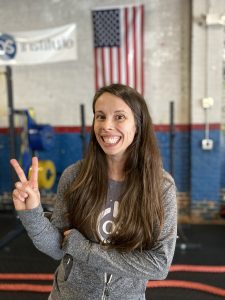
Kat Entwistle
Kat is the in-house nutrition coach at OSI. She believes that life is too short to eat food you don't like. She helps her clients cut through all the "noise" and establish long term sustainable nutrition habits that will last them a lifetime! Schedule a complementary discovery call with her today!