At Original Strength Institute, we talk a lot about getting stronger.
Stronger muscles.
Stronger joints.
Stronger minds.
Stronger bodies that can handle the demands of life.
Strength training is one of the most powerful tools we have for improving health, building resilience, and helping people feel capable in their bodies again.
But there’s something many people overlook.
Strength training is only half of the equation.
The other half is recovery.
Because the truth is, your body doesn’t get stronger during the workout.
It gets stronger during the recovery.
What Happens When You Train
Every time you train, whether it’s lifting weights, doing conditioning, or pushing through a tough workout, you’re creating stress on your body.
That type of stress is intentional and beneficial. It signals the body to adapt and improve.
During training:
- Muscle fibers experience small amounts of breakdown
- The nervous system works hard to coordinate movement
- Joints and connective tissues absorb load
- Your body burns energy and produces metabolic byproducts
This is the stimulus… but the progress really happens afterward.
During recovery, your body works to:
- Repair muscle tissue
- Reduce inflammation
- Restore energy stores
- Improve circulation
- Regulate the nervous system (which you KNOW we are all about)
- Prepare the body for the next challenge
Without enough recovery, the body stays stuck in stress mode… fight or flight mode.
That’s when people start to feel things like:
• Persistent soreness
• Fatigue
• Slower progress
• Trouble sleeping
• Increased risk of injury
Recovery helps shift the body back into a state where healing and adaptation can occur.
Recovery Is Really About the Nervous System
As I mentioned earlier, we focus on heavily on the nervous system at OSI.
Your nervous system controls how your body responds to stress.
Training appropriately is a healthy form of stress.
Work, family responsibilities, poor sleep, and daily life can add even more stress on top of that.
If the body stays in a constant “go, go, go” state, often called fight-or-flight, it becomes harder for the body to fully recover.
Recovery tools and practices help the body shift into what’s called rest-and-digest mode… or what I prefer to call, rest-and-repair mode.
In this state:
• Muscles repair more efficiently
• Circulation improves
• Inflammation can decrease
• Sleep quality often improves
• The mind feels calmer and clearer
This is one of the reasons we’ve started expanding recovery options inside the gym.
These services aren’t here just as a luxury resource but as another tool to help our members stay strong, healthy, and resilient.
Recovery Tools We’re Bringing to OSI
To better support our members, we’ve added several recovery options that can complement strength training and everyday life.

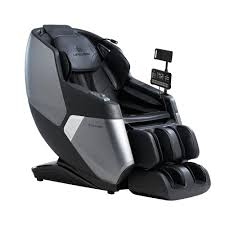
Vibroacoustic Therapy Massage Chair
This therapy combines gentle vibration with sound frequencies designed to relax the nervous system. Many people experience a deep sense of relaxation during sessions, which can help: • Reduce muscle tension • Calm the nervous system • Improve mood and mental clarity • Support stress recovery For many members, this feels like giving their body a chance to truly exhale.
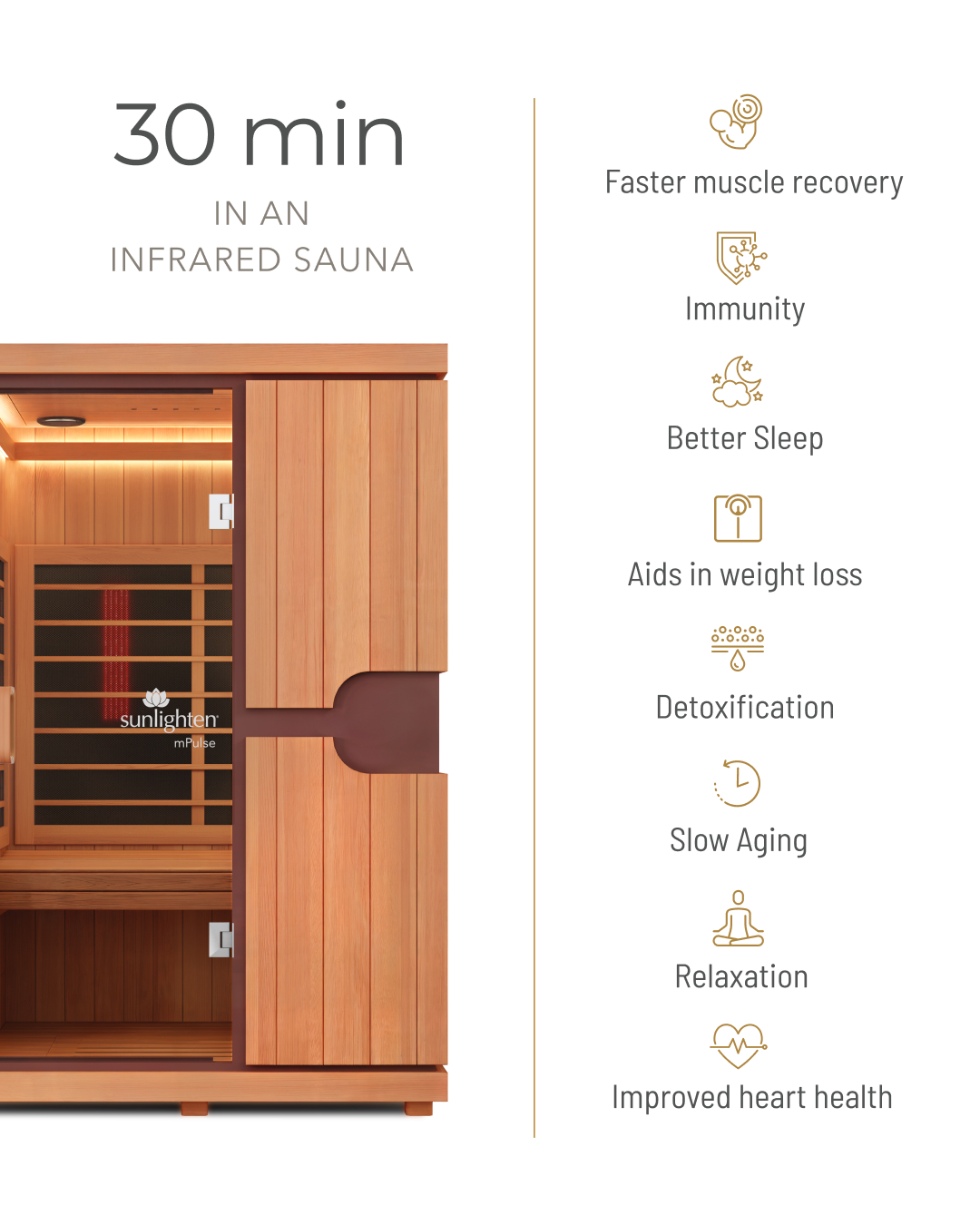
Red Light Infared Sauna
Infrared sauna therapy works differently than traditional saunas.
Instead of just heating the air, infrared light penetrates deeper into the body’s tissues. This can help stimulate circulation and encourage the body’s natural recovery processes.
Potential benefits include:
• Reduced muscle soreness
• Improved circulation
• Joint and mobility support
• Detoxification through sweat
• Better sleep
• Relaxation and stress relief
In addition to infrared heat, our sauna also includes red light therapy. Red light wavelengths are known to support cellular energy production and tissue repair.
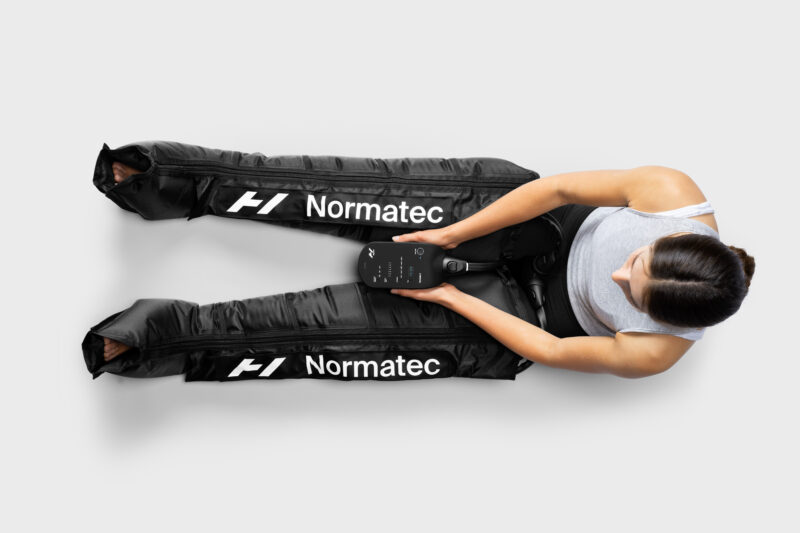
Normatec Compression Therapy Boots
Compression therapy uses rhythmic air pressure to move fluid through the legs and improve circulation. It’s commonly used by athletes to help speed recovery after intense training. Compression boots can help: • Reduce swelling and inflammation • Improve blood flow • Flush metabolic waste from muscles • Relieve tired or heavy legs Members often enjoy these after leg workouts, long workdays, travel, or endurance activities.

Recovery Isn’t About Doing Less
Sometimes people think recovery means backing off or doing less.
In reality, good recovery helps you do more of the things you enjoy — for longer.
When the body recovers well:
• Workouts feel better
• Strength progresses more steadily
• Energy improves
• Injuries become less likely
• Daily movement feels easier
Recovery allows training to be sustainable…and sustainability is what builds strength for the long run.
Building a Balanced Approach
At Original Strength Institute, our goal isn’t just to help people work harder, it’s to help them build bodies that can support an active life for as long as possible.
Strength training, smart programming, good sleep, intentional nutrition, and intentional recovery all work together to make that possible.
These recovery tools we’ve shared and have here at OSI are another way to support that process.
If you’re curious about trying one of these services or learning how recovery might fit into your routine, talk with one of our coaches.
We’d love to help you explore what helps your body feel and perform its best.
Because the goal isn’t just to train hard. It’s to stay strong for life.